
15 May 2026 at 02:00PM
From COBOL to Program Leadership: How I Learned to Navigate the Job Search

If you had told me early in my career that I would one day be leading live sporting event project across streaming and digital media, I probably would not have believed you.
I started as a COBOL programmer. My work was technical, structured, and focused on systems that were already in place. Over time, I found myself pulled into something adjacent. I was the person translating between teams, explaining dependencies, and connecting decisions across systems. That was my entry point into project management and eventually program and portfolio leadership.
Looking back, that same pattern shows up in how I approach job searching. It is less about following a rigid process and more about understanding how all the pieces connect.
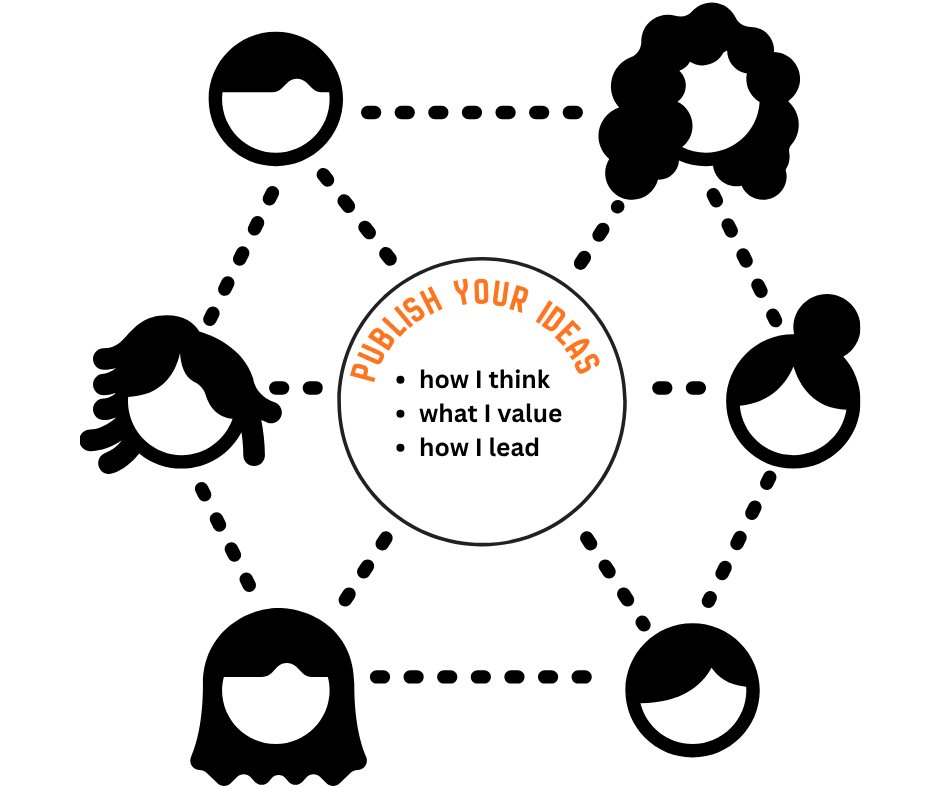
Networking: Treat It Like a System, Not an Event
One of the biggest misconceptions about job searching is that networking is something you turn on when you need a job. It works much better as an ongoing system.
I have been consistently posting on LinkedIn since early 2021. What started as an experiment, three posts a week, turned into a daily habit. Not because I had something groundbreaking to say every day, but because it helped me think out loud and stay engaged with what I was learning. That consistency changed how people interacted with me. When I did need to explore new opportunities, I was not starting from zero. People already had a sense of how I think, what I value, and how I lead.
I also approach engagement intentionally. Before making my open to work post, I spend time commenting on other people’s content. It helps build momentum and, more importantly, it reinforces that networking is a two-way interaction.
Applications: Clarity Over Creativity
Recruiters are not browsing profiles randomly. They are searching for specific keywords. If your experience is not aligned to those keywords, you are effectively invisible.
I use a simple framework when updating my resume and adding bullets to my LinkedIn:
accomplished X as measured by Y by doing Z.
I customize my resume for every application. It is more work, but it makes a difference. The goal is not to list everything I have done. It is to make it obvious why I am a fit for that specific role.
Your LinkedIn profile should do the same thing. I think of it as a landing page. Someone should be able to quickly understand what you do, the problems you solve, and the outcomes you deliver.
AI: A Tool, Not a Shortcut
AI became a regular part of how I prepared for interviews. I used tools like ChatGPT to simulate interview questions based on job descriptions and my resume. It helps identify gaps, tighten responses, and improve clarity. For me, AI works well as a thinking partner that helps me refine ideas.
The Role of Consistency
If there is one theme that shows up across everything, it is consistency.
Consistent posting.
Consistent engagement.
Consistent refinement of how I communicate my value.
None of these things produce immediate results on their own. But over time, they compound. That is true in program management, and it is true in job searching. Consistency helps build the body of work that makes it easier for the right opportunities to find you.
Thanks for reading! Have an idea you'd like to share? Feel free to contact us at Careerdev@PMI-LA.org.
- If you're a member of PMI-LA, you have exclusive access to Career Connect resources here: https://pmi-la.org/career-connect
- Did you know we host The Saturday Networking Group every Saturday for PMI-LA members? It's free, casual, encouraging, and open to anyone in transition or in need of coaching. Check it out Saturdays @ 8.30am. You may need to enter the passcode, which is 943678. Contact darci_o@yahoo.com for any problems.