
15 July 2026 at 05:00PM
What 250 Applications Taught Me (or The Long Road to “Yes”)
After spending two years as a Field Service Engineer at a company that manufactures automated fruit sorting equipment, I decided it was time to take my career in a new direction. I wanted to transition into project management, so I created a simple plan: take a hiatus
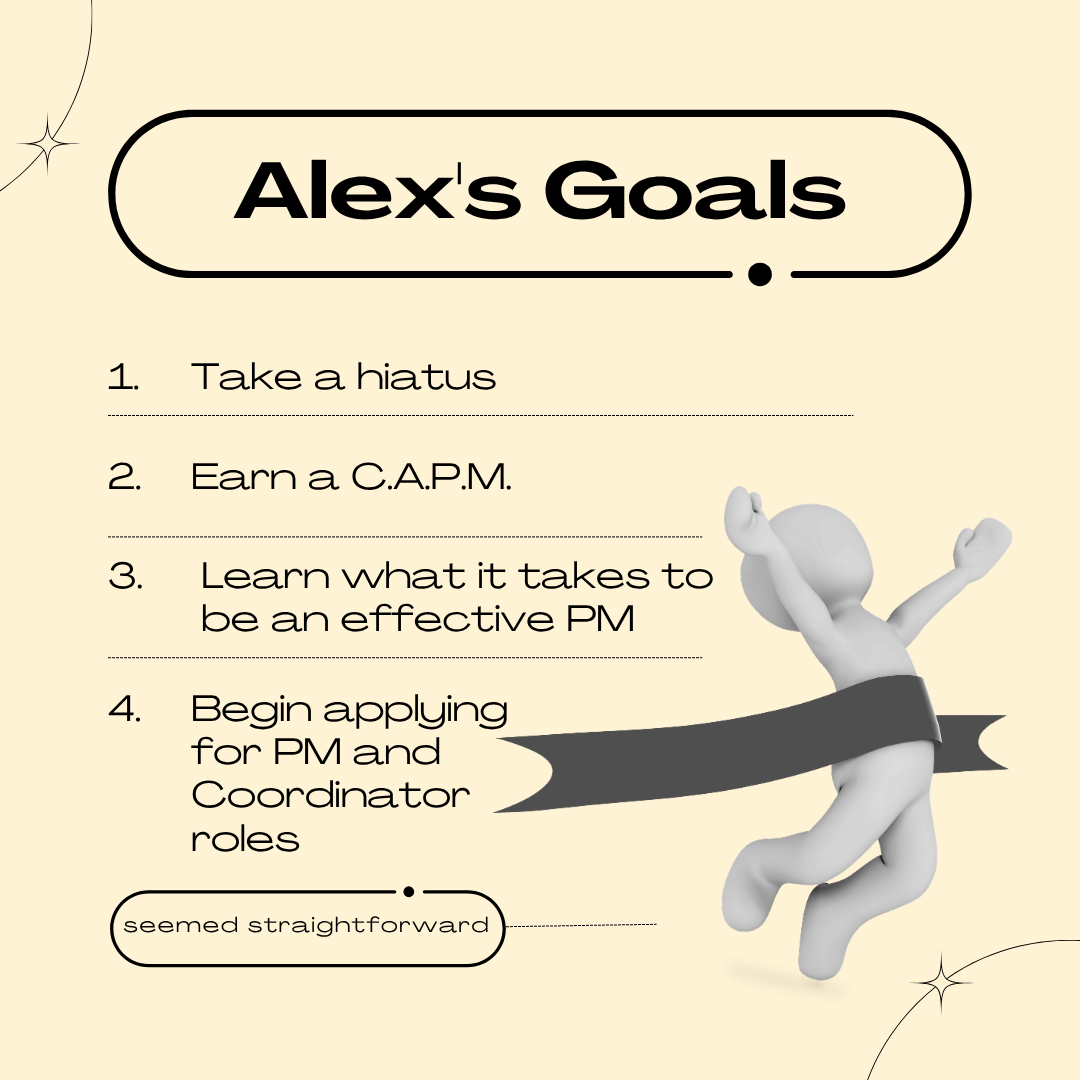 from work, earn my Certified Associate in Project Management (C.A.P.M) certification, learn what it takes to be an effective project manager, and begin applying for Project Coordinator and Project Manager roles to work my way to a place I wanted to be.
It seemed like a straightforward plan. However, as many of us discover, career journeys rarely unfold exactly as expected.
Along the way, I encountered challenges that tested my resilience, forced me to adapt, and ultimately taught me lessons that shaped both my career and my perspective.
First Step Forward
I left my job at the beginning of January 2025 and earned my C.A.P.M on July 16, 2025. Throughout that time, I focused on expanding my professional network, improving my qualifications, and applying for jobs. To stay organized and measure my progress, I tracked every application I submitted. Then I moved forward with the job search journey.
Applications 1–100: Optimism and Momentum
The first 100 applications filled me with confidence.
I believed I was moving in the right direction.
Between my bachelor's degree in Communication, my experience supporting technical projects, and the cross-functional work I had done across multiple departments, I felt I had built a strong foundation for a career in project management.
During this phase, I landed several interviews for Project Coordinator positions. Although I consistently performed well in my interviews, I was often informed that the selected can didates were either internal employees or brought significantly more project management experience to the role.
It was disappointing, but I still felt encouraged that I was getting opportunities to interview and grow.
Applications 101–200: Doubt and Reflection
The next 100 applications were much more difficult.
The interview requests slowed down until they eventually stopped altogether.
For the first time, I began to question whether I had what it took to successfully transition into project management.
I reached out to Project Managers, Directors, and other leaders within my professional network for honest feedback. I asked them to review my résumé, evaluate my experience, and offer advice on how I could better position myself for the roles I wanted.
I took their feedback seriously, revised my résumé, narrowed my search to technical Project Manager and Project Coordinator positions, and began learning commonly used project management software to strengthen my technical skills.
Despite these efforts, my inbox remained quiet. Interview invitations became few and far between.
Applications 201–250: Broadening the Search
After submitting more than 200 applications, I shifted my strategy.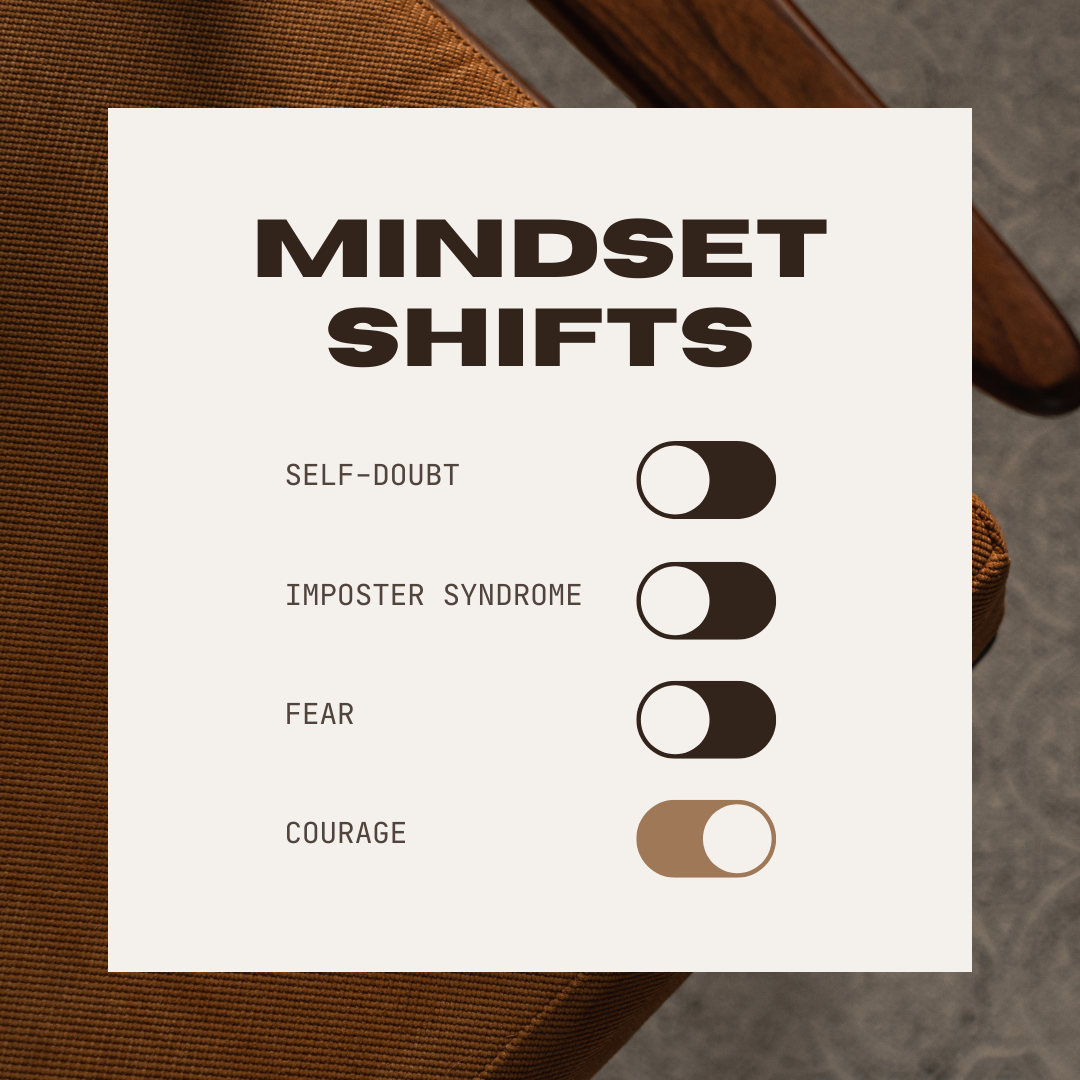
Rather than focusing exclusively on project management, I began applying to almost any position that aligned with my skills. I submitted applications for seasonal retail jobs, sales positions, field service technician roles, and many others.
By this point, it was November 2025, and I knew I needed to get back to work while continuing to pursue my long-term career goals.
Ironically, this was also when companies finally started reaching out for interviews.
A New Direction
One of the most valuable pieces of advice I received came from my brother. He suggested that I return to a Field Service Technician role, gain experience within a company, and work my way into project management from the inside.
That is the path I'm following today.
Am I still on my journey? Absolutely. Career transitions rarely happen overnight. But I know where I want to go, and every decision I make is a calculated step toward that goal.
Sometimes progress isn't about taking the shortest path—it's about taking the path that keeps you moving forward.
Lessons Learned
This experience taught me that career growth isn't always a straight path.
Sometimes you have to adjust your strategy, ask for help, and take a different route than the one you originally envisioned.
A detour doesn't mean you've failed, it often means you're gaining the experience and perspective you'll need to reach your destination.
One lesson I didn't expect to learn was the importance of taking care of yourself throughout the process. A long job search can be mentally and emotionally exhausting, so it's important to make time for activities that help you recharge.
Whether that's going for a walk, reading a book, playing an instrument, exercising, or spending time with family and friends, finding ways to decompress can make a significant difference.
Keep learning, keep growing,
Alexander Long, CAPM
PMI Los Angeles Chapter
Thanks for reading! Have an idea you'd like to share? Feel free to contact us at Careerdev@PMI-LA.org.
- If you're a member of PMI-LA, you have exclusive access to Career Connect resources here: https://pmi-la.org/career-connect
- Did you know we host The Saturday Networking Group every Saturday for PMI-LA members? It's free, casual, encouraging, and open to anyone in transition or in need of coaching. Check it out Saturdays @ 8.30am. You may need to enter the passcode, which is 943678. Contact darci_o@yahoo.com for any problems.